Choose for the job
CGI and photography solve different production problems
The useful question is not which medium is better. It is which one gives the brand the right balance of realism, control, speed, repeatability, and cost for the assets that must ship.
Controlled realism

CGI is strongest when every product detail must remain art-directable
Materials, label position, lighting, camera, and future variants can all remain connected to one approved product system.

Where each medium wins
Match the production method to the visual requirement
Use CGI for control
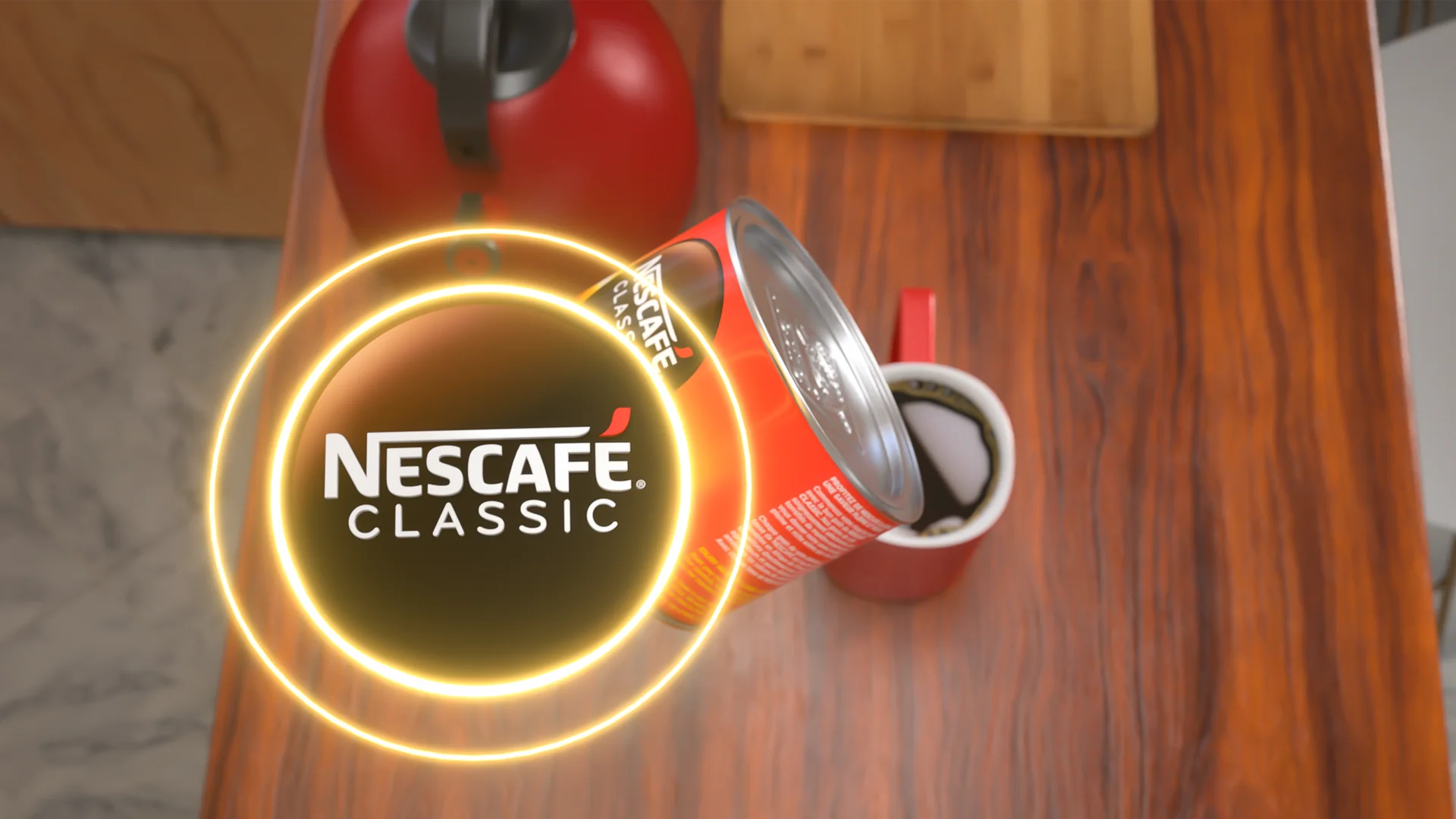
CGI is strongest when packaging is still changing, camera moves are impossible to repeat, materials need precise art direction, or one product system must generate many formats and variants.
Use photography for lived reality
Photography excels when authentic people, spontaneous detail, real environments, or tactile imperfection are central to the story and should feel observed rather than constructed.
Decision checklist
Questions to answer before choosing
- Is the final pack physically available?
- How many variants and formats are required?
- Does the shot depend on people or a real location?
- Will assets need updating after launch?
- Is motion part of the same production system?
- Which details must remain perfectly consistent?
The hybrid answer
Many campaigns benefit from both
A practical system can combine photographed people and environments with CGI products, or use photography for campaign emotion while CGI supplies controlled packshots, animation, retail adaptations, and future variants.